

- Serving patients since March 2024
Nutrition Counseling in Tampa Built Around Your Real Life and Real Labs
Certain health markers and life events signal that food choices alone won’t fix the problem without professional guidance. A new diabetes or blood pressure diagnosis, thyroid dysfunction, plateaued weight loss, physician referrals after abnormal labs, and recovery from a car accident all warrant a structured nutrition plan rather than more guesswork.
Signs You Need Guided Nutrition Support
A new or existing diabetes diagnosis is one of the clearest triggers for guided nutrition support. Blood sugar management is not a formula. Carbohydrate timing, portion sizes, and meal composition all interact with medication schedules and activity levels in ways generic advice cannot address. A high blood pressure diagnosis often needs more than cutting salt from the shaker. Sodium hides in processed foods, restaurant meals, and even foods marketed as healthy. A counselor can help find these sources while building an eating pattern that supports your heart goals.
Thyroid issues, whether hypothyroid or hyperthyroid, change how the body uses food. This can cause unexplained weight shifts, fatigue, or digestive changes that standard diets fail to address. If weight loss efforts have stalled despite consistent effort, this often points to an underlying metabolic factor or a plan that no longer matches current activity levels. It needs professional reassessment, not more willpower.
A physician referral after abnormal lab results, such as high cholesterol, blood glucose, or liver enzymes, is a strong sign that diet changes need to be specific and monitored. Working with a nutrition counselor helps the plan match what the ordering physician is tracking, and can lead to measurable improvement at the next set of labs.
Car accident recovery is a less obvious but increasingly common reason people seek nutrition counseling. Reduced mobility during rehab often leads to muscle loss, weight gain, or both. Injury-related swelling can be worsened by a poor diet and eased by an anti-inflammatory eating pattern. Coordinating nutrition with physical therapy helps protect joints, support healing, and prevent frustrating weight changes during a slower recovery period.
- New or long-standing diabetes diagnosis
- High blood pressure needing dietary management
- Thyroid condition affecting weight or energy
- Weight loss efforts that have plateaued despite consistent effort
- Physician referral following abnormal bloodwork
- Car accident recovery involving inflammation or reduced mobility
Nutrition Counseling in Tampa Coordinated With Your Full Care Plan
Here's the thing about food advice on its own, it only goes so far. If your blood pressure is running high or your thyroid is out of balance, a meal plan by itself won't fix that. That's why we don't treat nutrition counseling like a stand alone appointment. We look at it next to everything else going on with you.Say you come in for weight management and blood work shows your blood sugar is creeping up. We're not going to hand you a pamphlet and send you off. Your nutrition counseling plan gets shaped around what your labs show, and it stays connected to your ongoing chronic disease management if that's part of your care.
- Diabetes management patients get food guidance built around real blood sugar patterns, not generic carb counts
- Thyroid management often changes how your body handles weight, so we factor that into what we recommend
- High blood pressure management and nutrition go hand in hand, sodium and portion habits matter here
- In-house lab results give us a current picture instead of guessing
We're a family clinic here in Egypt Lake-Leto, and one thing we believe strongly - your care should fit your real life, not a template. So if you're already seeing us for something else, your nutrition counseling isn't starting from zero. We already have context. That's the whole point of having it under one roof.

When You Might Not Need Formal Nutrition Counseling Yet
Not everyone in Tampa needs to sit down with a registered dietitian. If you are generally healthy, have no diagnosed conditions, and simply want to understand portion sizes, read a nutrition label, or plan balanced meals, a paid counseling package may be more than you need right now. Reputable clinics will tell you this upfront rather than sign you up for six sessions you don't require.
- You want a basic refresher on food groups, portion sizes, or how to read a nutrition label
- You have no diagnosed medical condition and your last physical showed normal bloodwork
- You are simply looking for general 'eat healthier' motivation without a specific medical goal
- Your goal is broad wellness education, not managing a diagnosis like diabetes or a GI disorder
- You have time and interest to research and apply free guidance yourself
For these situations, free tools like USDA MyPlate, the Dietary Guidelines for Americans, and community resources through the Hillsborough County Health Department can cover the basics at no cost. Many Tampa-area grocery stores, including Publix, also offer free in-store dietitian consultations for general label-reading and meal-planning questions. These are legitimate starting points before paying for ongoing counseling.

Formal Nutrition Counseling
Formal nutrition counseling starts to make sense once your situation moves beyond general education. That includes a new diagnosis such as type 2 diabetes, prediabetes, hypertension, PCOS, or a GI condition like IBS or celiac disease. It also applies if you’ve been trying to lose weight or manage a condition on your own for months with no measurable progress. Or if your physician, cardiologist, or endocrinologist has flagged a risk factor on recent labs and referred you for medical nutrition therapy.
- A doctor has diagnosed a condition tied to diet, such as diabetes, high cholesterol, or kidney disease
- Bloodwork or a checkup revealed a risk factor your provider wants addressed through diet
- Self-directed diet changes have stalled or produced no measurable results after several months
- You need a personalized meal plan around medications, allergies, or a complex medical history
- Don't Wait for Symptoms
What to Expect at Your First Nutrition Counseling Visit
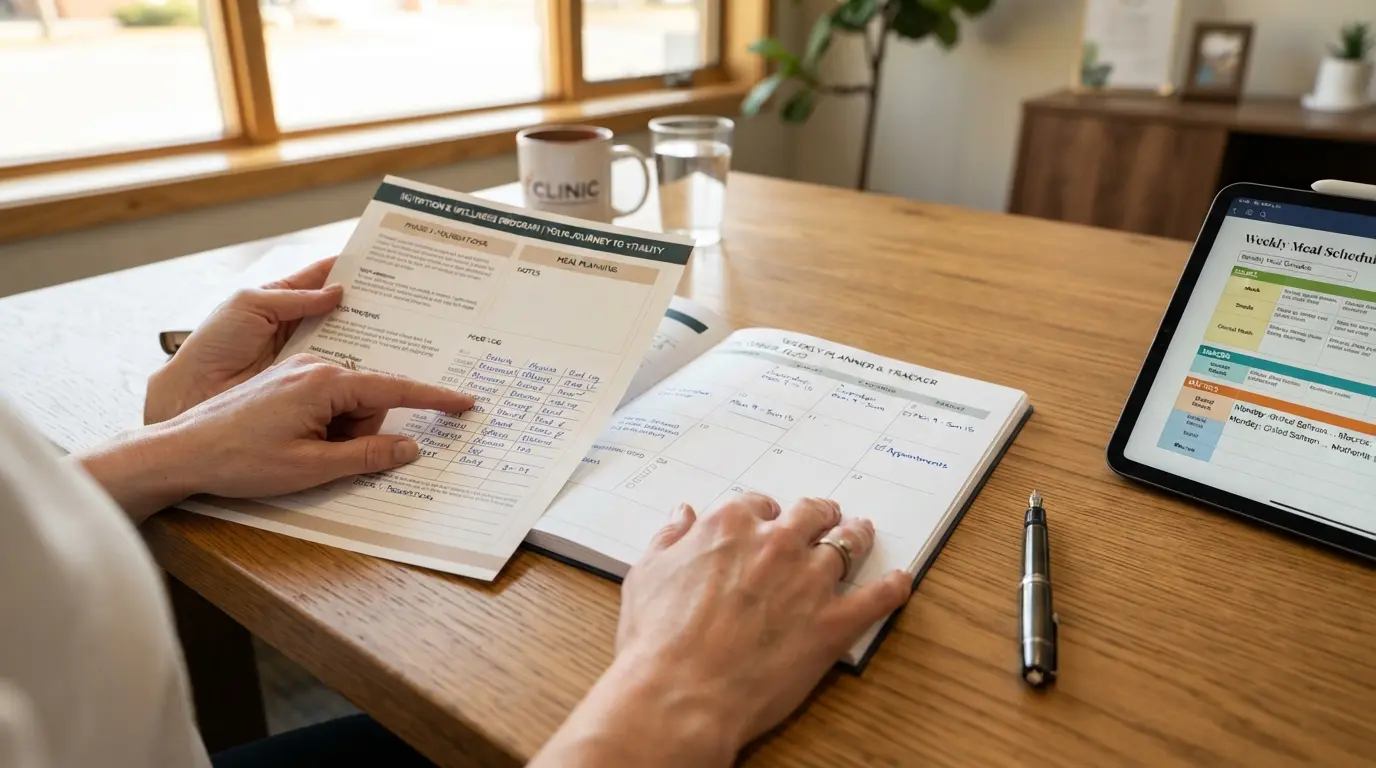
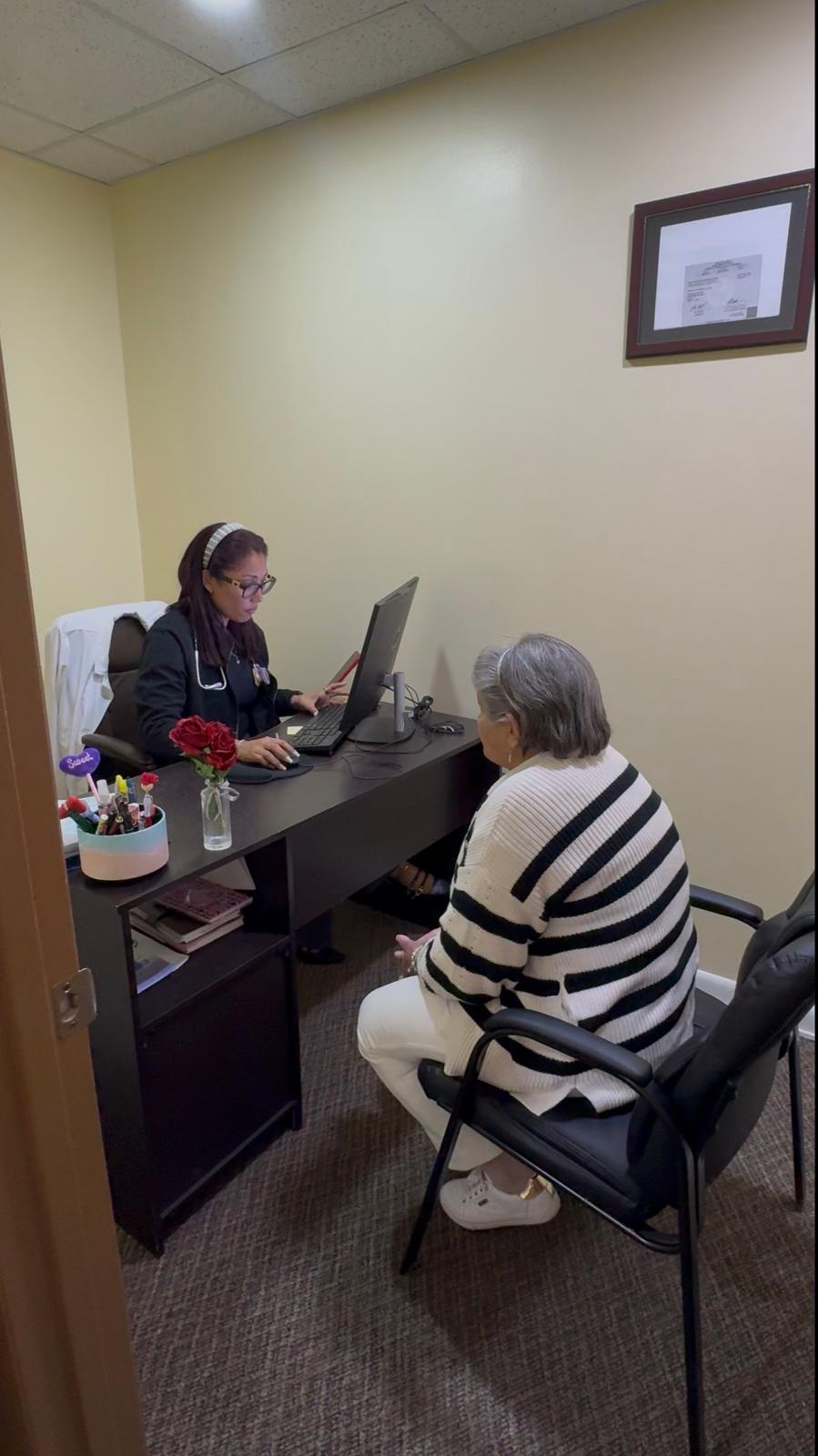
So what happens when you walk in? Nothing scary, we promise. Your first nutrition counseling visit starts with a real conversation, not a lecture. We ask about your daily schedule, your meals, your stress level, your sleep. The answers tell us more than any lab number does.We’ll also go over your health history and any conditions we’re already managing for you, like blood pressure or thyroid issues, since food plays into both. If you’ve had recent blood work done in-house, we’ll use it. If not, we can talk about what testing makes sense before we build out a plan.
- A review of your current eating pattern, not a food diary you had to fill out for weeks
- A conversation about goals that are yours, weight, energy, blood sugar, whatever brought you in
- Time to ask questions without feeling rushed out the door
- A plan you leave with, written in plain terms you can follow
A lot of folks come in expecting a strict meal plan and a lecture about willpower. That’s not how our clinic works. Being family-owned means we treat this like a conversation between neighbors, not a transaction. One patient told us she’d been dreading this appointment, expecting to get scolded about her weight. She left with a plan built around meals she already cooks for her family.Expect the visit to run like your other appointments here at our Egypt Lake-Leto clinic, unhurried, straightforward, and focused on what fits your real life.

- Don't Wait for Symptoms
Nutrition Counselor vs Dietitian: Verify Credentials Before You Book
Tampa’s wellness scene is crowded with titles: registered dietitian, licensed nutritionist, holistic nutrition coach, certified wellness consultant. Not all of these are legally equivalent, and Florida law is specific about who can call themselves a dietitian or nutritionist. Before you hand over your health history or a payment, it pays to know the difference and to check it yourself.
Under the Dietetics and Nutrition Practice Act, Fla. Stat. §§ 468.501-468.518, the titles dietitian and nutritionist are legally protected. To use them in Florida, a person generally must hold a state license issued through the Department of Health, which requires an accredited degree, supervised practice hours, and passage of a national exam. Someone who calls themselves a licensed dietitian/nutritionist (LD/N) without meeting these requirements isn’t just stretching the truth on a business card. They may be violating state law.That matters because Fla. Stat. § 456.072 lists unlicensed practice under a protected professional title as grounds for disciplinary action, and in some cases criminal penalties, against the person using it. Florida treats misuse of the dietitian or nutritionist title as a serious regulatory issue, not a marketing quirk. This does not mean every nutrition coach in Tampa is acting improperly. Many use non-protected titles like health coach, wellness coach, or nutrition counselor precisely because they are not licensed dietitians and must avoid the regulated terms.
- Ask directly: are you a licensed dietitian/nutritionist in Florida, and what is your license number?
- Verify the license yourself through the Florida Department of Health's online license verification tool rather than relying on a website badge.
- Ask what credential backs their advice: RD/RDN, LD/N, a coaching certificate, or no formal credential at all.
- For medical conditions like diabetes, renal disease, or eating disorders, confirm the provider is licensed, since medical nutrition therapy typically requires it.
- Ask how they handle communication with your physician if you're managing a diagnosed condition.
A quick verification call or database search takes less time than a single consultation. It protects you from relying on advice that carries no regulatory accountability behind it.
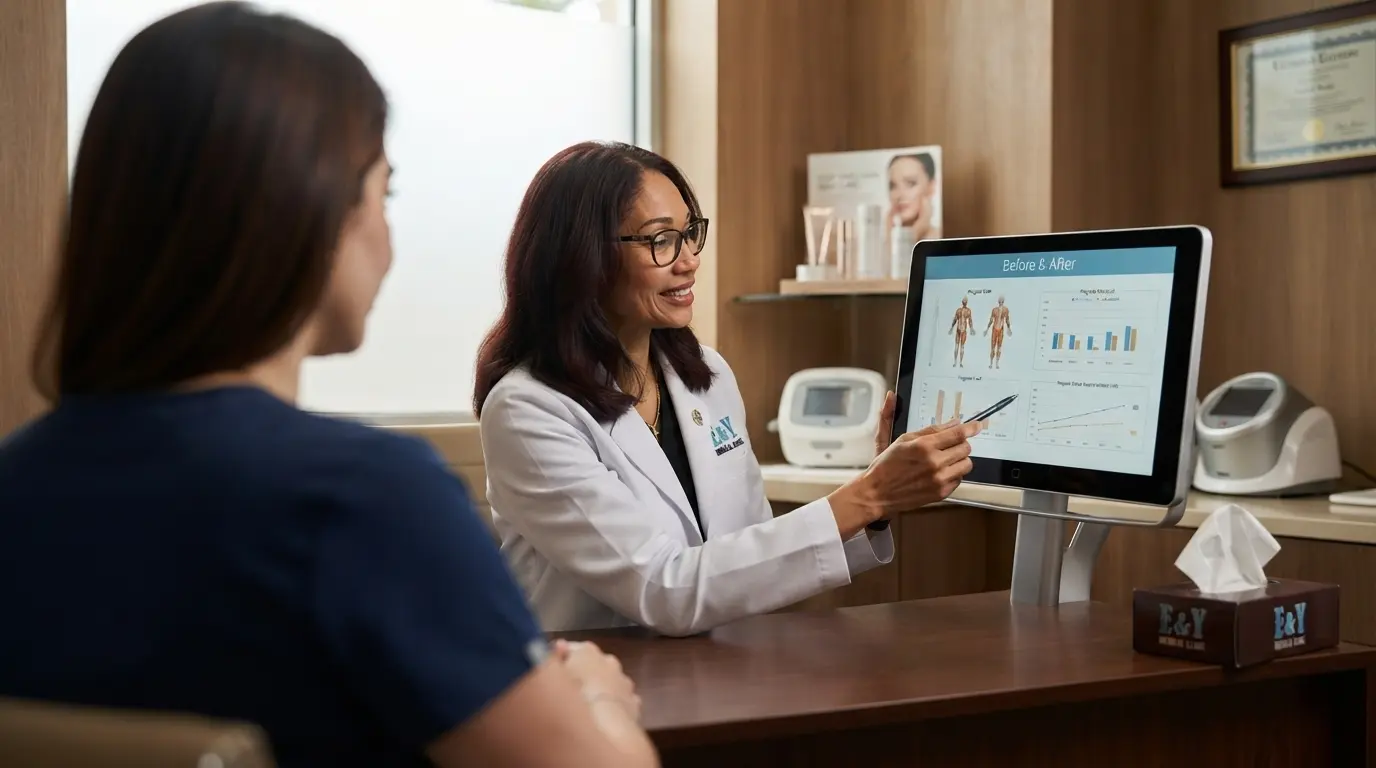
Why E&Y Medical Clinic Rehabilitation Center Stands Out for Nutrition Counseling
Our clinical team translates complex nutritional science into realistic, sustainable eating habits tailored to your daily lifestyle.
We take the time to understand your individual health background and goals, ensuring your dietary roadmap is built specifically for you.
By pairing nutritional advice with your overall primary and preventive care in Tampa, FL, we help you achieve balanced, long-term health outcomes.
- Convenient Care Close to Home
Supporting Healthy Lifestyles Across Tampa
Residents throughout the local area turn to E&Y Medical Clinic Rehabilitation Center for practical dietary guidance and sustainable wellness support. Centrally located at 6718 N Himes Ave Ste B, Tampa, FL 33614, our facility provides a welcoming, professional environment for individuals seeking reliable nutrition counseling close to home.
- Tampa
- Egypt Lake-Leto
- Greater Carrollwood
- West Tampa
- Town 'N' Country
- North Tampa
- Citrus Park
- Lake Magdalene
- Temple Terrace
- University
If you are looking for dedicated nutrition counseling in Tampa, our clinical team is ready to help you take the next step toward better health. Contact us today through our website at https://eyrehabclinic.com or visit our clinic to schedule your consultation.
- Request Free Estimate
Take the first step toward personalized dietary guidance by filling out our simple form to receive your complimentary estimate.
Yes, this comes up more often than people expect. Reduced mobility during recovery can cause muscle loss or weight gain, and swelling often gets worse with poor food choices. We coordinate your eating plan with your physical therapy so healing stays on track.