


- Health Screenings
Health Screenings in Tampa: Know Where You Stand, Before It's Urgent
A health screening is a set of quick checks that look for problems before you feel them. Most visits include vitals, a short talk about your history and habits, blood work, and any extra tests that fit your age or risk. Nothing here is painful, and nothing takes all day.
What a Health Screening Covers
People walk in expecting one needle and a handshake. It’s more than that, but not by much.
We start by talking. What’s your family history? What are you eating? Sleeping how many hours? That conversation shapes everything else, because a 28-year-old with no family history needs a different look than a 55-year-old whose dad had a heart attack at 60. Then we check the basics – blood pressure, pulse, weight, height, oxygen. Those four numbers catch more problems than people realize.
After that, we pick the tests that apply to you. Here’s what usually comes into play:
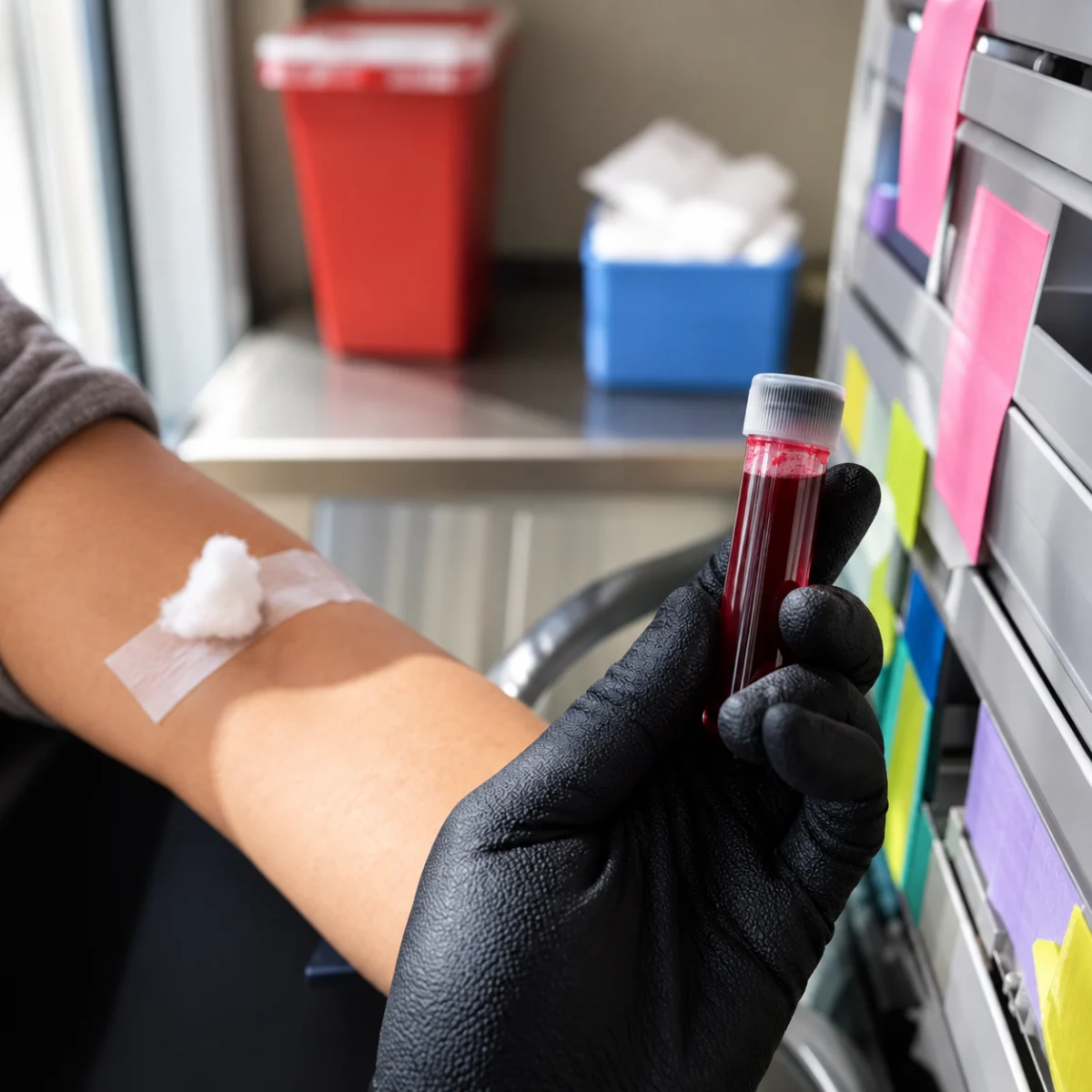
- Blood work for cholesterol, blood sugar, kidney and liver function, and blood count
- Thyroid testing, which explains a surprising number of fatigue and weight complaints
- EKG testing if there’s chest tightness, palpitations, or heart history in the family
- Allergy testing when the coughing and congestion never really quit
- Blood pressure and diabetes monitoring for anyone already being watched for either
We run labs in house, so you’re not driving across town to a second building and waiting on a phone call from strangers. That matters more than it sounds. Results come back to the same people who know your story.
And if something looks off, we explain it in plain words. In English, Spanish, or Portuguese, whichever one your family talks in at the dinner table. Nine times out of ten the fix is small – a medication adjustment, a diet change, a follow-up in three months. The scary part is usually the not knowing.
You’ll leave knowing your numbers and what to do about them.
Signs It's Time to Schedule a Screening
Most folks wait for a symptom. That’s the mistake. High blood pressure doesn’t hurt. Early diabetes doesn’t hurt either. By the time your body finally speaks up, the problem has usually had a few years to settle in, and the fix gets harder. So the honest answer is that the best time to schedule health screenings is when you feel fine.
Still, there are moments that should push you to pick up the phone sooner.
- It’s been more than a year since anyone checked your blood pressure, blood sugar, or cholesterol
- A parent or sibling was just diagnosed with diabetes, thyroid disease, or heart trouble
- You’re more tired than usual, and rest isn’t fixing it
- Your weight moved up or down without you trying
- You’re starting a new job that needs a DOT physical or a school physical form
- You’ve been putting off refilling a medication because nobody’s reviewed it lately
Here’s one we see just about every week. Someone comes in for a work physical, no complaints at all, and their blood pressure reads high three visits in a row. They had no idea. Nothing hurt. That’s exactly how it usually goes.
Age matters too, and so does the calendar. Tampa summers run long and hot, and heat plus untreated high blood pressure is a rough combination for anyone working outside. Late fall and winter tend to be easier months to get bloodwork done, and you can pair the visit with a flu shot instead of making two trips.
Call now
And if you’re not sure which numbers you need checked? That’s a normal question. We’ll talk through your history and family background first, then decide together.
When a Screening Isn't the Right First Step
Here’s the part nobody puts on a website. Sometimes you don’t need health screenings at all, and ordering a stack of tests will only slow you down.
If you’re having chest pressure, trouble breathing, sudden weakness, or a bad headache that came out of nowhere, skip the screening conversation entirely. That’s an emergency room visit. Screenings are for people who feel fine. They look for quiet problems before symptoms show up. A symptom you already have needs a diagnosis, not a search.
Same idea with timing.
- You had the same blood work six weeks ago and nothing has changed. Repeating it usually tells you nothing new.
- You're sick right now with a fever or infection. Illness can throw off results and send you chasing a number that was never real.
- You already know the answer and haven't acted on it. If your blood pressure ran high last visit, the next step is treatment, not another cuff reading.
- You're under 18 and just need paperwork for a sport or classroom. That's a school physical, not a screening panel.
And more isn’t better. We see this every week, someone asks for every test on the menu because a relative got bad news. But a test run on the wrong person at the wrong age can turn up a harmless finding that leads to more scans, more worry, more waiting rooms. Age, family history, and what you do all day, that’s what decides the list.
So if you’re not sure whether now is the time, say that out loud when you call. Our team would rather talk you out of two tests you don’t need than run them because you asked.
Honest answer first. Lab work second.
How to Prepare for Your Visit
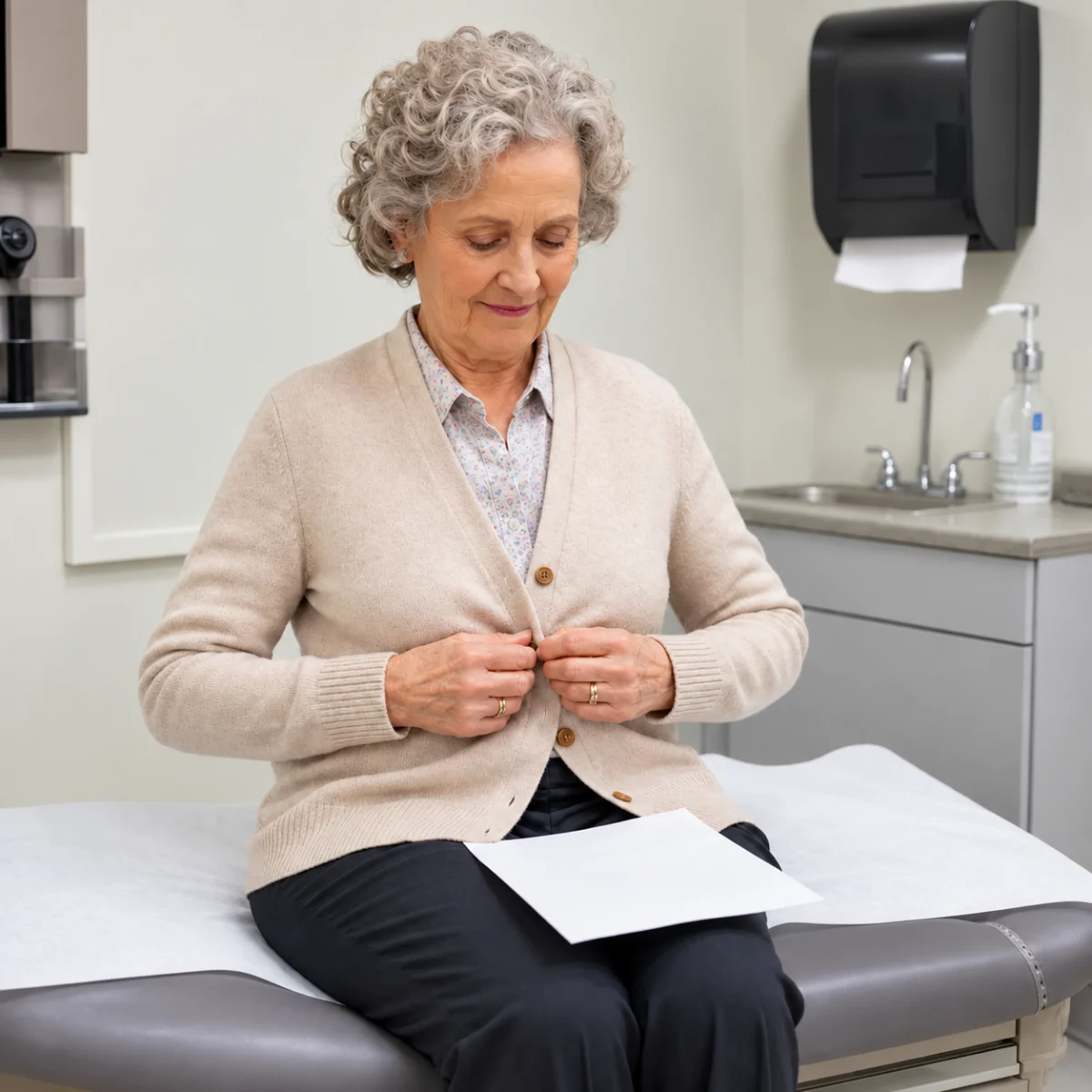
A little prep goes a long way here. Most of the lab work we run does better on an empty stomach, and a rushed morning can skew numbers enough to muddy the picture.
Here’s what we ask patients to do before blood work day:
- Fast for 8 to 12 hours if we've ordered a lipid panel or glucose testing. Water is fine. Black coffee is not, cream and sugar move the numbers.
- Drink water the night before and that morning. Hydrated veins are easier veins, and the draw takes half the time.
- Write down every medication, vitamin, and supplement you take, including doses. Photos of the bottles work great.
- Bring your insurance card and a photo ID.
- Jot down what your parents and siblings have dealt with. Heart disease, diabetes, cancer, thyroid trouble. Ages matter too.
- Wear a shirt with sleeves that push up easily.
That family history piece is the one people skip, and it’s the one that changes our recommendations the most. A dad with a heart attack at 52 moves you into a different conversation than a dad with one at 80. Same with colon cancer in a sibling. If you don’t know, ask before you come in – a five minute phone call to a relative is worth more than most tests.
Also bring your questions. Written down, not in your head.
We see it every week. Someone gets to the car and remembers the thing that was bothering them. The knee. The sleep. The dizziness when they stand up fast. Our team wants those on the table, because a screening visit is one of the few times you get to talk about the small stuff before it turns into the big stuff.
And if English isn’t your first language, no problem. Our clinical and support team speaks English, Spanish, and Portuguese, so nothing about your results gets lost in translation.

From Results to a Real Care Plan
Here’s where most people get let down. They get the blood drawn, then a week later a portal message shows up with numbers and arrows and nothing else. No context. We see this every single week, folks bring us old lab reports they never understood, and half the time something on that page needed attention two years ago.
A result by itself isn’t care. It’s information. What turns it into care is somebody sitting down with you and explaining what it means for your body, your family history, and how you live.
So we walk through it in plain language. If your A1C came back borderline, that’s not a diagnosis, it’s a warning light. We talk about what’s driving it. Maybe it’s the late dinners, maybe it’s a medication, maybe it’s genetics you can’t change but can plan around. Then we decide together what happens next.
Usually it looks like this:
- We go over every number that's off and every number that's fine, because knowing what's normal matters too.
- We separate what needs action this month from what we simply keep an eye on.
- We set the one or two changes most likely to move the needle, not a list of twelve.
- We pick a recheck date before you leave, so nothing drifts.
That last step is the one people skip. And it’s the one that matters most.
Our team speaks English, Spanish, and Portuguese, so nobody in the Tampa area has to nod along to a conversation they didn’t follow. Because a care plan you don’t understand isn’t a care plan. If your next step is nutrition counseling, weight management, or ongoing diabetes or blood pressure monitoring, we handle that here at our Himes Avenue clinic – same chart, same faces, no starting over somewhere new.

- Service Areas
Proactive Wellness Checks Across Tampa
Patients throughout the local area turn to E&Y Medical Clinic Rehabilitation Center for reliable health screenings and preventative care. Centrally located at 6718 N Himes Ave Ste B, Tampa, FL 33614, our facility provides a professional environment for individuals looking to monitor their health close to home.
- Tampa
- Egypt Lake-Leto
- Greater Carrollwood
- West Tampa
- Town 'N' Country
- North Tampa
- Citrus Park
- Lake Magdalene
- Temple Terrace
- University
If you are looking for dedicated health screenings in Tampa, our clinical team is ready to help you take a proactive step toward better long-term wellness. Contact us today through our website at https://eyrehabclinic.com or visit our clinic to schedule your appointment.
Why E&Y Medical Clinic Rehabilitation Center Stands Out for Health Screenings
Our clinical team utilizes precise testing protocols to catch potential health risks early, giving you clear insights into your well-being.
We perform your assessments in a calm, professional clinic right here in Tampa, FL, ensuring an unhurried and comfortable experience.
Your screening results are reviewed directly by our practitioners to seamlessly integrate with your ongoing primary care and wellness goals.

Yes, if we're running a lipid panel or glucose test, we ask for 8 to 12 hours of fasting. Water is fine, but skip the coffee with cream and sugar since that can throw off your numbers. If you're not sure which tests you need, just ask when you schedule and we'll walk you through it.
Bring your insurance card, a list of every medication and supplement you take, and doses if you know them. A photo of the bottles works too if you can't remember names. This helps us catch anything that might affect your results before we even draw blood.
We run labs in house, so you're not waiting on a call from a stranger at another building. Most results come back to the same people who talked with you at your visit, and we explain them in plain words. Nine times out of ten it's a small fix, like a medication tweak or a follow-up in a few months.
Feeling fine is the best time to get screened. High blood pressure and early diabetes don't hurt, so most people find out something's off during a routine visit, not because they felt sick. We see this almost every week, someone comes in for a work physical and finds out their blood pressure has been high for months.
If you're having chest pressure, trouble breathing, or a sudden bad headache, skip the screening talk and head to the ER instead. Screenings are for people who feel fine and want to catch quiet problems early. If you're sick with a fever right now, wait until you're better, since illness can throw off your numbers.
Yes, Tampa summers run long and hot, which is rough on anyone with untreated high blood pressure who works outside. Late fall and winter tend to be easier months for bloodwork, and you can pair the visit with a flu shot to save yourself a second trip. If you work outdoors, getting checked before summer hits is a smart call.
- Contact Us
Take the first step toward proactive health monitoring by filling out our simple form to receive your complimentary estimate. Button Text: Request Free Estimate